When you select a cultural symbol for your event installation, you‘re not just choosing a visual motif. You’re choosing a story. Each Chinese cultural symbol carries centuries of meaning, transforming a beautiful installation into a resonant experience that communicates intention to your audience.
This guide decodes the most impactful Chinese cultural symbols used in modern illuminated installations — helping you make informed choices for Event Decorations that align with your event‘s commercial or cultural objectives.

What Do Chinese Cultural Symbols Actually Mean?
Direct Answer: Chinese cultural symbols carry specific meanings refined over centuries. The dragon represents power and benevolence, the phoenix symbolizes renewal and grace, the panda conveys peace and friendship, the koi fish signifies perseverance and success, the lotus stands for purity, and the peony represents prosperity. Each symbol offers a distinct emotional and cultural message that can align with different event objectives.
Understanding these meanings transforms a decorative choice into a strategic one. A symbol that matches your event’s intent creates resonance; a symbol that conflicts with it creates dissonance.
Mythical Creatures: Power, Protection, and Auspicious Blessings
These symbols represent strength, authority, and good fortune — ideal for creating memorable landmarks at corporate events, grand openings, and cultural festivals.
The Dragon
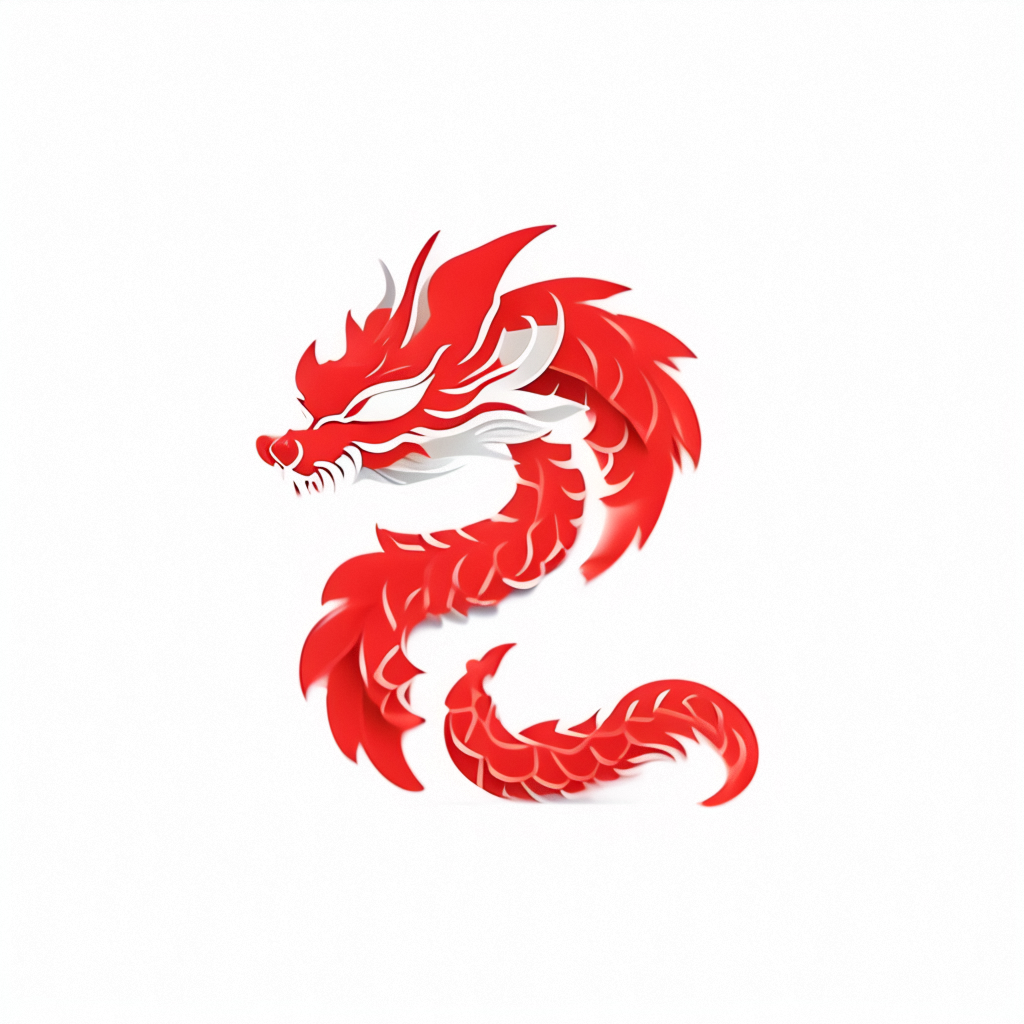
The dragon (龙, lóng) is the ultimate symbol of power, strength, and success. Unlike its Western counterpart, the Chinese dragon is a benevolent creature associated with wisdom, celestial authority, and prosperity. Historically, the dragon was the exclusive emblem of the emperor, representing the mandate of heaven.
For your event: Perfect for corporate headquarters, financial institutions, grand openings, and leadership summits. A dragon installation conveys ambition and resilience, making a powerful statement about an organization‘s vision and stature.

The Phoenix
The phoenix (凤, fèng) represents renewal, beauty, grace, and high virtue. Often paired with the dragon, the phoenix symbolizes harmony and the union of complementary forces. In traditional Chinese culture, the dragon and phoenix together represent marital bliss and balanced power.
For your event: Ideal for luxury retail spaces, hotels, weddings, and cultural festivals celebrating new beginnings. The phoenix evokes elegance, transformation, and refined taste.

The Twelve Zodiac Animals
The twelve zodiac animals (十二生肖, shí èr shēng xiào) each carry unique personality traits and fortunes. They are deeply personal, widely recognized, and naturally engaging for broad audiences. The zodiac cycle follows a twelve-year rotation, with each animal influencing the character of those born in its year.
For your event: Excellent for seasonal holiday displays — particularly Lunar New Year celebrations — interactive public installations, or marketing campaigns targeting specific demographics. The zodiac creates immediate relatability and encourages repeat visits as guests search for their own sign.

Architectural Wonders: History, Grandeur, and Timeless Craft
Architectural symbols evoke a sense of heritage, cultural depth, and the scale of traditional craftsmanship.
Chinese Pavilions and Pagodas
Chinese pavilions (亭, tíng) and pagodas (塔, tǎ) represent harmony between humanity and nature, architectural wisdom, and spaces for gathering, celebration, and reflection. The pagoda‘s tiered structure traditionally symbolized the path to enlightenment, while the pavilion served as a place for poets, scholars, and friends to gather.
For your event: Create stunning focal points in botanical gardens, hotel resorts, and shopping malls. These installations offer a photogenic “within-the-scene” experience, inviting guests to enter and interact. For large-scale commercial displays, they serve as recognizable landmarks that anchor the entire visual experience.

Auspicious Animals: Joy, Luck, and Positive Wishes
These beloved animals bring warmth, approachability, and universal appeal to any event.
The Giant Panda
The giant panda (大熊猫, dà xióng māo) is a global icon of China, representing peace, friendship, and gentle strength. Its playful nature embodies joy and approachability. As a species unique to China, the panda has become a diplomatic symbol, with panda loans serving as gestures of international friendship since the Tang Dynasty.
For your event: Universally appealing for family-friendly attractions, zoos, international cultural exchanges, and public parks. The panda creates a warm, welcoming atmosphere that transcends cultural boundaries — ideal for events seeking broad demographic appeal.

The Koi Fish
The koi fish (锦鲤, jǐn lǐ) symbolizes perseverance, success, abundance, and good fortune. The legend of the koi transforming into a dragon after swimming upstream ties it directly to achieving ambitious goals. In Chinese culture, koi are often associated with academic success and career advancement.
For your event: Excellent for restaurants, spas, shopping centers near water features, and corporate spaces focused on growth. A school of koi installations creates dynamic, flowing visual interest that guides visitor movement through a space.

Symbolic Flora: Purity, Prosperity, and Natural Beauty
Plants represent refinement, resilience, and the beauty of the natural world.
The Lotus
The lotus (莲花, lián huā) stands for purity, integrity, and rising above challenges — as the lotus blooms pristine from muddy water. It is a symbol of summer and spiritual beauty. In Buddhism, the lotus represents enlightenment, as its roots grow in mud but its flower rises above the water to bloom.
For your event: Suits wellness centers, spas, art galleries, and serene public plazas. The lotus brings a sense of calm, purity, and refined elegance — particularly effective in spaces designed for relaxation and contemplation.

The Peony
The peony (牡丹, mǔ dān) is known as the “King of Flowers,” representing prosperity, honor, romance, and wealth. It is the quintessential symbol of spring and feminine beauty. Historically, the peony was cultivated in imperial gardens and became a symbol of the Tang Dynasty‘s prosperity.
For your event: Ideal for wedding venues, high-end fashion retail, luxury brand activations, and festive spring celebrations. The peony adds an immediate sense of opulence and joyful abundance — perfect for events that aim to feel generous and celebratory.

How Do You Choose the Right Symbol for Your Event?
Direct Answer: Choosing the right Chinese cultural symbol requires three considerations: matching the symbol’s meaning to your event objective, considering your audience‘s cultural familiarity, and consulting designers who understand both cultural accuracy and commercial impact. A dragon for a corporate launch conveys ambition; peonies for a wedding convey romance and prosperity; pandas for a public festival convey warmth and welcome.
Three Guiding Principles
Match the Theme: Align the symbol’s meaning with your event‘s goal. A dragon for a corporate launch conveys ambition. Peonies for a wedding convey romance and prosperity. Pandas for a public festival convey warmth and welcome.
Consider Your Audience: Choose widely recognized and universally positive symbols — pandas, koi, and lotus — for broad public appeal. Reserve more specific symbols like the dragon for audiences who will appreciate their deeper significance.
Consult the Experts: Experienced designers can advise on culturally appropriate, impactful, and aesthetically coherent symbol selection. The best combinations often pair a powerful primary symbol with complementary secondary motifs.

How Are These Symbols Brought to Life in Light?
Translating a cultural symbol from concept to illuminated installation involves more than scaling up a drawing. Master artisans in Zigong — the 1,500-year-old home of Chinese lantern-making — combine traditional techniques with modern engineering to bring these symbols to life.
The dragon’s scales, for example, are individually shaped and hand-painted before being assembled onto a welded steel frame. The phoenix‘s feathers require layered silk application to achieve the right translucency when illuminated from within. Each installation follows the 16-step process documented in DB51/T 2939, the provincial standard for Zigong lantern production.
This level of craftsmanship is what allows a cultural symbol to resonate beyond its visual form — it carries the weight of the tradition it represents.
Ready to Tell Your Story with Cultural Symbols
Understanding these symbols is the first step toward creating a meaningful installation. The next step is translating that meaning into a custom-built illuminated experience designed for your specific venue and audience.
WhatsApp: +86-18008353905 | Email: store@lanternsart.com | Request a culturally-informed design consultation


